Get Propane Line Replacement in Denver, CO
Propane line replacement services help Denver property owners fix or upgrade outdated, damaged, or unsafe propane lines for appliances, heating systems, or outdoor setups.
Property owners in Denver, CO, considering propane line replacement often seek reliable solutions to ensure safety and efficiency in their heating and appliance systems. Whether upgrading aging infrastructure or planning a new installation, exploring options from experienced local contractors can help make informed decisions. Properly replacing propane lines is a practical step toward maintaining reliable service and preventing potential issues that could disrupt daily routines.
By comparing services offered by nearby providers, property owners can find the right expertise to meet their specific needs. Many local contractors have the knowledge to handle a variety of property types, from residential homes to commercial buildings, ensuring the work aligns with safety standards and local regulations. Continuing to read can provide valuable insights into how to approach planning a propane line replacement project in Denver.
- Propane Line Replacement - Needed when existing propane lines in neighborhoods like Capitol Hill or Five Points become outdated or damaged.
- Propane Line Repair - Required after leaks or corrosion are detected in residential or commercial propane systems in Denver, CO.
- Propane Line Upgrades - Necessary to accommodate new appliances or increased propane demand in areas such as Cherry Creek or Highlands Ranch.
- Emergency Propane Line Replacement - Needed when a sudden leak or line failure occurs, posing safety concerns for local homes and businesses.
- Propane Line Extension - Used when expanding propane service to new parts of properties or additional structures in nearby neighborhoods.
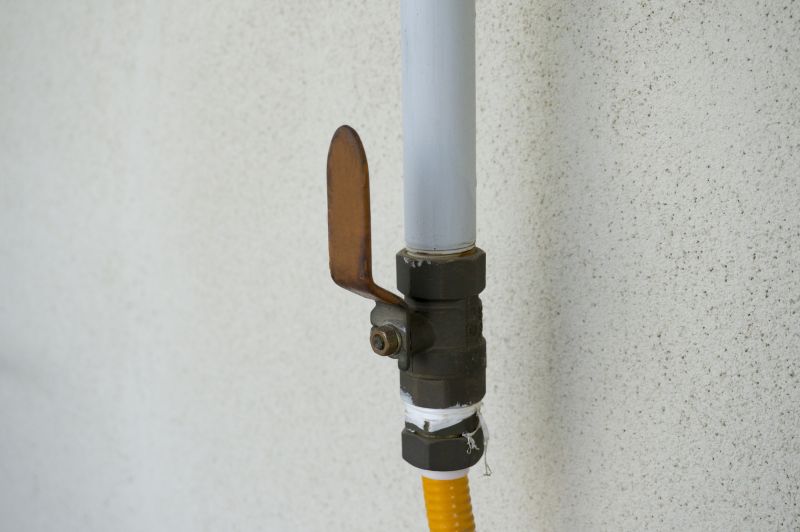
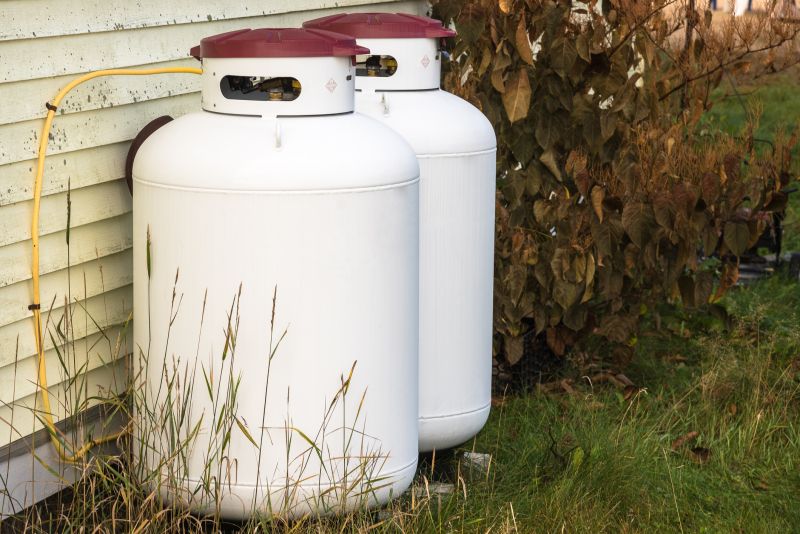
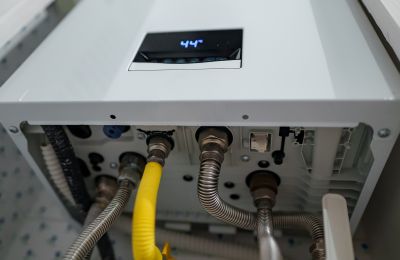
Propane line replacement services involve removing and installing new underground or above-ground pipelines that supply propane to a property. These pipelines are essential for delivering fuel to appliances such as stoves, water heaters, fireplaces, and outdoor grills. Over time, propane lines can deteriorate due to corrosion, ground movement, or age, leading to potential leaks or system failures. Skilled service providers focus on replacing outdated or damaged lines to ensure a safe and reliable propane supply, helping homeowners maintain efficient operation of their appliances and avoid unexpected disruptions.
This service addresses common problems like propane leaks, reduced gas flow, or complete line failure. Leaking propane lines can pose safety risks and may cause property damage or health hazards if not addressed promptly. Additionally, old or damaged lines can result in inconsistent appliance performance, increased fuel costs, or the inability to run certain appliances altogether. Replacing the propane lines can resolve these issues, providing peace of mind and restoring the proper function of propane-powered systems throughout the property.
Properties that typically benefit from propane line replacement include older homes with underground lines, properties experiencing frequent leaks or appliance malfunctions, and those undergoing renovations or upgrades. Rural properties or homes with outdoor living spaces often rely heavily on propane, making the integrity of their lines especially important. Commercial properties that use propane for heating or cooking may also require line replacement services to meet safety standards and ensure continuous operation. Service providers can assess the specific needs of each property and recommend appropriate solutions to maintain safe and efficient propane delivery.
Homeowners should consider propane line replacement when noticing signs such as a persistent gas smell, pilot light issues, or inconsistent appliance performance. Visual signs like corrosion, cracks, or visible damage to the lines also indicate a need for professional inspection and potential replacement. Regular maintenance and timely upgrades can prevent costly repairs and ensure the safety of everyone on the property. Connecting with experienced local contractors can help determine if propane line replacement is necessary, providing a dependable solution to keep propane systems functioning safely and effectively.
The overview below groups typical Propane Line Replacement projects into broad ranges so you can see how smaller, mid-sized, and larger jobs often compare in Denver, CO.
In many markets, a large share of routine jobs stays in the lower and middle ranges, while only a smaller percentage of projects moves into the highest bands when the work is more complex or site conditions are harder than average.
Smaller Repairs - Typical costs for minor propane line repairs or replacements in Denver range from $250 to $600. Many routine jobs fall within this middle range, depending on the length and accessibility of the line. Fewer projects reach the higher end of this spectrum.
Partial Line Replacement - Replacing a section of a propane line usually costs between $600 and $1,500. Larger, more complex projects in this category are less common but can increase the total cost if additional work is needed.
Full Propane Line Replacement - Complete replacement of a propane line can range from $1,500 to $3,500 or more. Many full replacements are straightforward and fall into the lower to middle part of this range, with higher costs for intricate installations.
Large or Complex Projects - Extensive propane line work, such as rerouting lines for new construction or addressing significant issues, can cost $3,500 to $5,000+ in Denver. These projects are less frequent but necessary for complex or large-scale jobs involving multiple lines or difficult access.
Actual totals will depend on details like access to the work area, the scope of the project, and the materials selected, so use these as general starting points rather than exact figures.
Gas line installation - professionals who install or replace underground gas lines often have skills similar to those needed for propane line replacement projects.
Underground utility trenching - trenching for electrical or water lines requires planning and excavation skills comparable to those used in propane line work.
Fuel line repair and replacement - technicians experienced in repairing or replacing fuel lines for appliances or equipment share techniques with propane line services.
Outdoor gas appliance hookup - connecting outdoor grills, fire pits, or heaters involves similar planning and installation processes as propane line replacement.
Pipeline maintenance services - maintenance of existing pipelines, including leak detection and repairs, aligns with the skills needed for propane line work.
Excavation and site prep - site preparation and excavation services for various underground utilities require planning and skills relevant to propane line replacement projects.
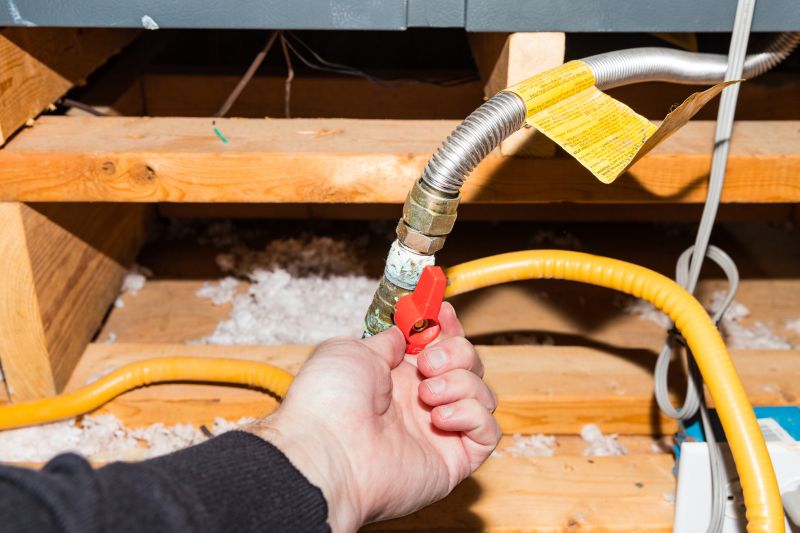
When comparing service providers for propane line replacement, it’s important to consider their experience with similar projects in the Denver area. Homeowners should look for local contractors who have a proven track record of handling propane line replacements or related gas line services. Asking about the types of projects they have completed can provide insight into their familiarity with the specific requirements and challenges of propane line work, helping to ensure the contractor has the necessary background to perform the job effectively and safely.
Clear, written expectations are a key factor in choosing the right local pros. Homeowners should seek providers who can offer detailed descriptions of the scope of work, materials, and any steps involved in the project. Having this information in writing helps prevent misunderstandings and provides a reference point throughout the process. It’s also beneficial to inquire about how the contractor plans to approach the job, including any necessary permits or inspections, to ensure everything aligns with local regulations and standards.
Reputable references and effective communication are essential when evaluating local contractors. Homeowners can request references or reviews from previous clients to gain insights into the quality of work and professionalism. Additionally, choosing service providers who are responsive and transparent in their communication can make the project smoother and more predictable. While the site introduces homeowners to local options, it’s important to remember that the actual work is performed by these local contractors, who are responsible for delivering quality service based on the homeowner’s needs and expectations.
Property owners in Denver, CO use Propane Line Replacement services for practical projects around their homes and businesses. This guide focuses on everyday jobs and straightforward project options.
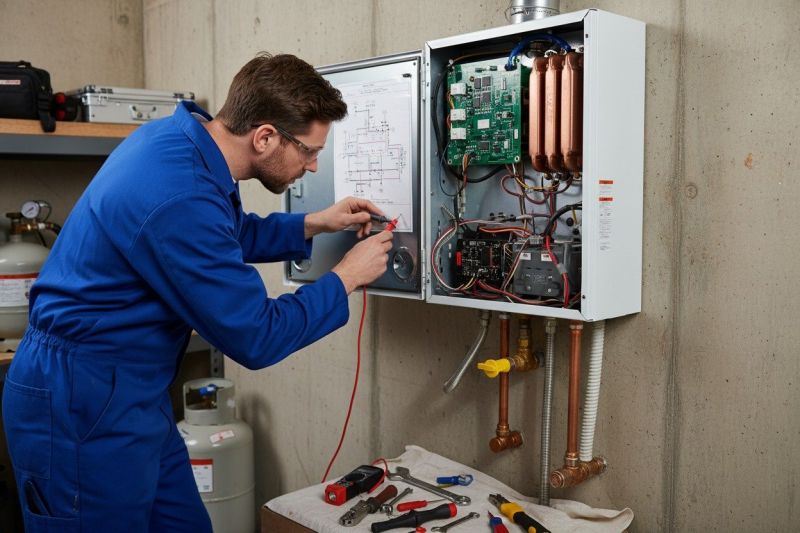
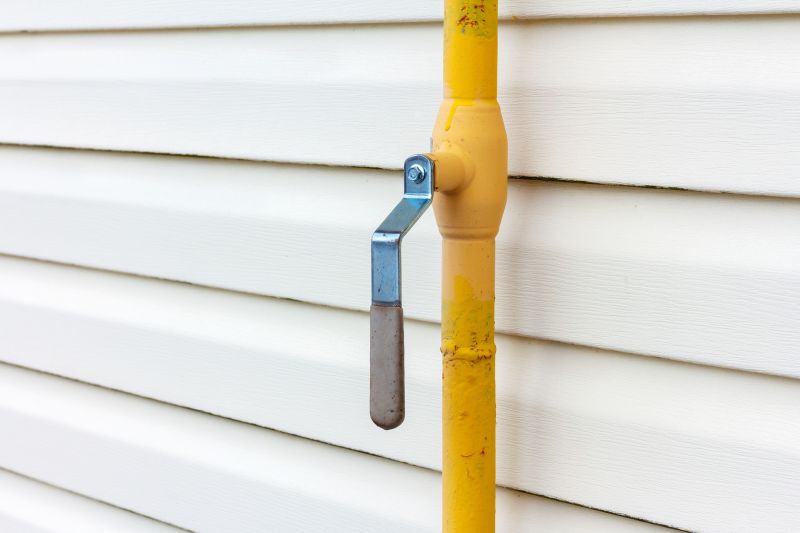
Property owners in Denver, CO may seek propane line replacement services when they notice issues such as leaks, odors, or decreased efficiency in their existing propane systems. Routine upgrades might be necessary to ensure safe and reliable fuel delivery for heating, cooking, or outdoor appliances, especially in older homes where original lines may have deteriorated over time. Local contractors can assess the condition of propane lines and recommend appropriate solutions to prevent potential hazards or service interruptions.
In addition, property owners planning renovations or expansions often need to replace or reroute propane lines to accommodate new appliances or changes in layout. Whether installing a new fireplace, outdoor kitchen, or upgrading existing systems, having experienced service providers handle propane line replacements helps ensure compliance with safety standards and proper installation. These local experts are equipped to manage the work efficiently, providing peace of mind for homeowners and property managers alike.
What is propane line replacement? Propane line replacement involves removing and installing new pipelines to ensure safe and reliable delivery of propane to a property in Denver, CO and nearby areas.
When should propane lines be replaced? Propane lines may need replacement if they show signs of corrosion, leaks, or damage, or if a property undergoes significant renovations or upgrades.
How do local contractors handle propane line replacement? Experienced service providers assess the existing system, ensure proper installation of new lines, and follow safety standards during the replacement process.
What types of propane lines are used in replacements? Contractors typically use durable, corrosion-resistant piping materials suitable for underground or above-ground installation, depending on the property’s needs.
Is propane line replacement necessary for all properties using propane? Not all properties require replacement; a professional inspection can determine if existing lines are safe or need upgrading.
Upgrade to a new propane line - property owners can improve safety and reliability by replacing aging or damaged propane lines serving appliances like heaters and stoves.
Extend propane service to new areas - homeowners planning outdoor kitchens or additional appliances can have local contractors install or extend propane lines for convenience.
Replace old or corroded propane lines - replacing outdated lines helps prevent leaks and ensures consistent propane flow for heating systems and appliances.
Upgrade to flexible or modern piping - property owners might consider modern piping options to make future replacements or repairs easier and more efficient.
If you are thinking about Propane Line Replacement for a property in Denver, CO, this guide is meant to help you understand the work, the typical project types, and how different options might fit your plans.
When you are ready, you can use the quote form on this page to share a few details about your project. From there, local pros can review the basics and respond with options that match what you have in mind.