Get Gas Line Relocation in Denver, CO
Gas line relocation services help Denver property owners safely move or adjust underground or overhead gas lines for renovations, new construction, or safety improvements.
Property owners in Denver, CO, considering a property renovation or expansion may find themselves needing to relocate gas lines to ensure safety and compliance. Proper planning of gas line rerouting can help prevent future issues during construction or improvements, making it a practical step in managing property upgrades. Exploring options with nearby contractors can provide valuable insights into the best approaches for your project, ensuring the work aligns with local codes and site-specific requirements.
For those seeking reliable support, a variety of local service providers specialize in gas line relocation, offering expertise tailored to Denver’s unique landscape and building standards. Comparing different contractors can help identify experienced professionals capable of handling the complexities of gas line work, providing peace of mind as you move forward with your property plans. Keep reading to learn more about how local experts can assist with your gas line relocation needs.
- Gas Line Relocation - Necessary when expanding or remodeling a home in neighborhoods like Capitol Hill or Cherry Creek in Denver, CO.
- Gas Line Replacement - Needed if existing lines are outdated or damaged in areas such as Aurora or Lakewood.
- Gas Line Extension - Required to connect new appliances or outdoor features in communities across Denver’s residential districts.
- Gas Line Adjustment - Used during renovations or property upgrades to ensure proper placement and safety in nearby neighborhoods.
- Gas Line Repair - Essential when leaks or corrosion are detected in gas lines serving homes in Denver’s urban and suburban areas.
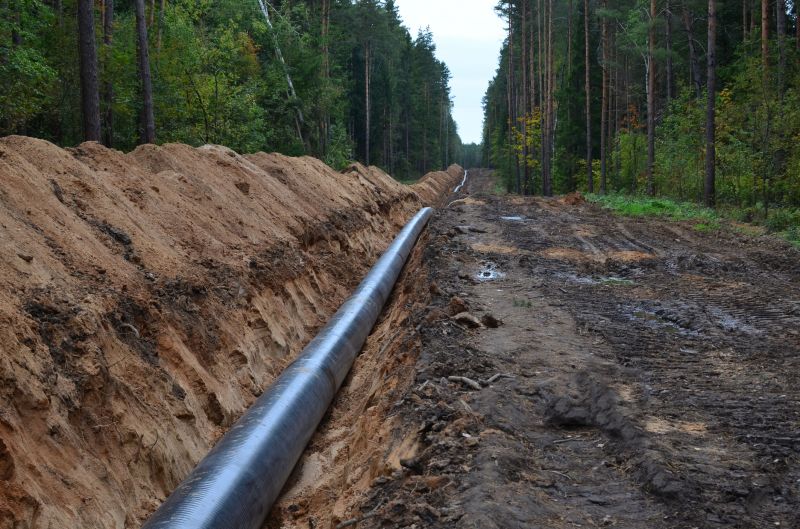

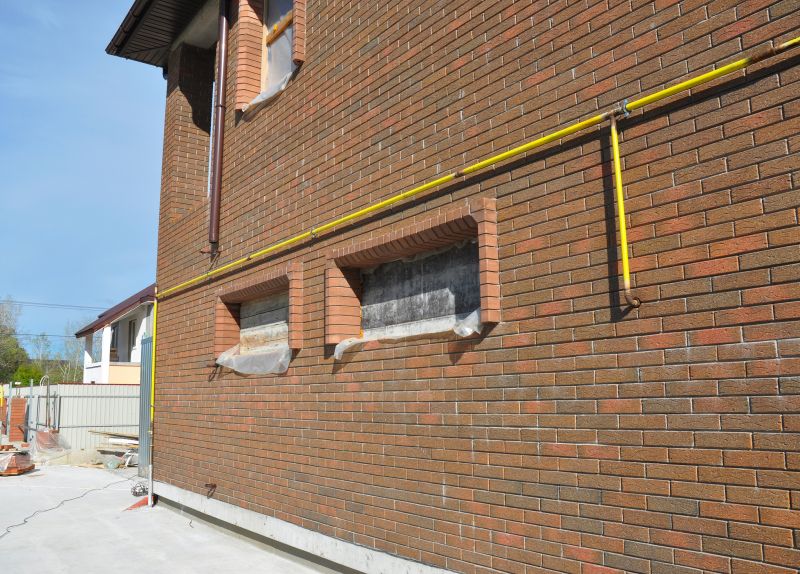
Gas line relocation services involve safely moving existing natural gas pipelines to new locations on a property. This process typically requires careful planning and skilled work to disconnect the current gas lines, reroute them through different areas, and reconnect them securely. These services are essential when property owners plan major renovations, additions, or landscaping projects that interfere with the original gas line placement. Professional contractors ensure that the relocation is performed according to safety standards and local regulations, minimizing the risk of leaks or other hazards.
Relocating a gas line can help resolve several common problems faced by homeowners. For example, if a property is being expanded or a new driveway is being installed, existing gas lines may need to be moved to prevent interference. Sometimes, underground utilities or existing structures make it difficult to access the gas line for repairs or upgrades. In these cases, a professional relocation ensures the gas line is safely rerouted, reducing the risk of damage during construction and avoiding potential service disruptions or safety issues.
This service is often used on residential properties, such as single-family homes, where homeowners are undertaking significant renovations or landscaping projects. It can also be necessary for multi-family buildings, commercial properties, or properties with existing underground utilities that need to be adjusted. Typically, properties that have older gas lines or are undergoing substantial modifications are more likely to require gas line relocation. These projects help ensure that gas infrastructure remains functional, safe, and compliant with local codes as property layouts change.
Homeowners considering a remodel, adding new structures, or improving their landscape may find gas line relocation services helpful. If there is any indication that existing gas lines are in the way of planned construction or if there are concerns about the safety of current pipelines, consulting with local contractors can provide solutions. Skilled service providers can assess the property’s needs, determine the best approach for rerouting gas lines, and handle the work efficiently, helping to keep projects on track while maintaining safety and compliance.
The overview below groups typical Gas Line Relocation projects into broad ranges so you can see how smaller, mid-sized, and larger jobs often compare in Denver, CO.
In many markets, a large share of routine jobs stays in the lower and middle ranges, while only a smaller percentage of projects moves into the highest bands when the work is more complex or site conditions are harder than average.
Smaller Repairs - For minor gas line relocations, local contractors typically charge between $250 and $600. Many routine jobs fall within this range, especially for straightforward adjustments or reroutes.
Mid-Range Projects - More involved relocations, such as rerouting larger sections or working around existing structures, often cost between $600 and $1,500. These projects are common and represent a significant portion of typical work.
Full Replacement - Replacing an entire gas line or handling complex reroutes can range from $1,500 to $3,500. Larger, more intricate projects tend to push into this higher cost band, though fewer jobs reach the top end.
Large or Complex Jobs - Extensive relocations involving extensive excavation or multiple connections can exceed $5,000. Such projects are less common but may be necessary for major renovations or property upgrades in Denver and nearby areas.
Actual totals will depend on details like access to the work area, the scope of the project, and the materials selected, so use these as general starting points rather than exact figures.
Underground Utility Line Installation - local contractors skilled in installing various underground utilities can apply similar planning and excavation techniques used in gas line relocation projects.
Foundation Excavation and Repair - these projects require precise digging, planning, and safety measures comparable to those needed for relocating gas lines around existing structures.
Drainage System Installation - installing new drainage pipes involves underground work and careful planning, similar to the skills used in gas line rerouting.
Electrical Conduit Placement - running electrical conduits underground shares planning, trenching, and safety considerations with gas line relocation tasks.
Water Line Replacement - replacing or rerouting water lines involves excavation and careful coordination, similar to gas line adjustments.
Sewer Line Repair and Replacement - this type of underground piping work requires similar tools, planning, and safety protocols as gas line relocation projects.
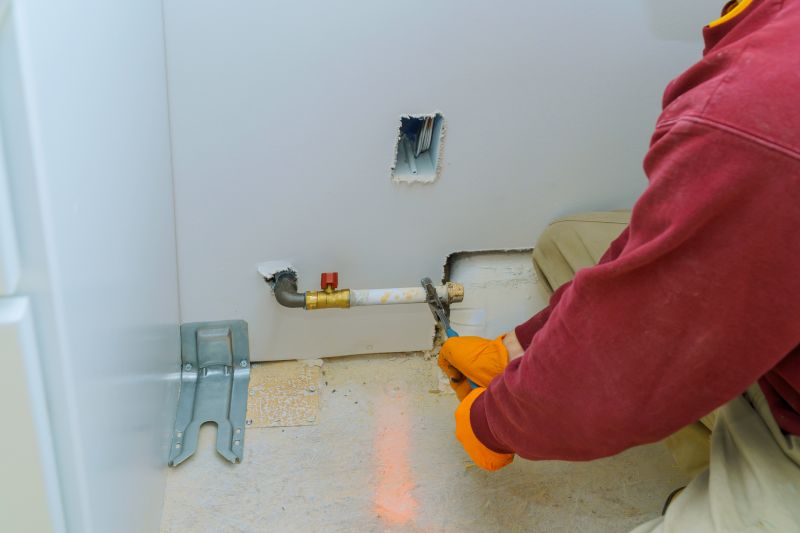
When comparing service providers for gas line relocation, it’s important to consider their experience with similar projects in Denver and surrounding areas. Homeowners should look for local contractors who have a proven track record of handling gas line modifications, ensuring they understand the specific requirements and challenges that may arise in the local environment. Asking for examples of past work or references related to gas line work can help gauge a contractor’s familiarity with the process and their ability to deliver quality results.
Clear written expectations are essential for a successful project. Homeowners should seek service providers who can provide detailed estimates and scope of work in writing, outlining the tasks involved, materials used, and any potential contingencies. This transparency helps prevent misunderstandings and ensures everyone is aligned on the project’s scope. Clarifying these details before work begins can foster smoother communication and set a solid foundation for the project.
Effective communication and reputable references are key qualities to look for in local contractors. Homeowners should prioritize providers who are responsive to inquiries, willing to answer questions, and able to explain their approach clearly. Additionally, obtaining references from previous clients who had similar gas line relocation projects can offer insights into the contractor’s professionalism, reliability, and quality of work. Remember, this site connects homeowners with local service providers capable of handling the job-it's not involved in performing the work itself.
Property owners in Denver, CO use Gas Line Relocation services for practical projects around their homes and businesses. This guide focuses on everyday jobs and straightforward project options.
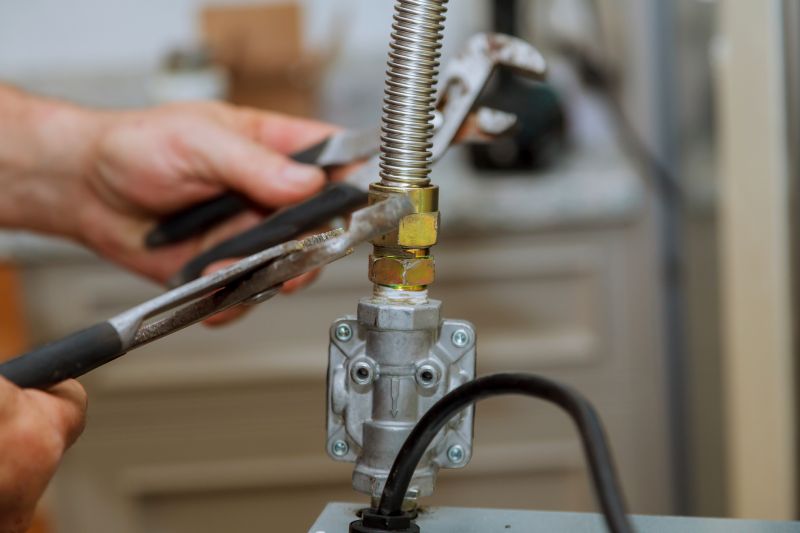

Gas line relocation services are often needed when property owners in Denver are planning home renovations, additions, or new construction projects that interfere with existing gas lines. Moving a gas line might be necessary to accommodate expanding kitchens, basement finishing, or garage conversions, ensuring the new layout remains functional and safe. Additionally, some property owners seek gas line adjustments when upgrading appliances or installing outdoor features like fire pits or grills, which require rerouting the gas supply to meet new configurations.
In other cases, local contractors are contacted when old or damaged gas lines pose safety concerns or no longer meet the needs of the property. Whether due to corrosion, leaks, or changes in building codes, these professionals can handle the work to ensure gas lines are properly relocated or replaced. Property owners in Denver also turn to service providers when planning to upgrade to newer, more efficient appliances that require different gas line connections, making professional assistance essential for a smooth and compliant process.
What is involved in relocating a gas line? Gas line relocation typically includes planning the new route, obtaining necessary permits, and safely installing the new piping to ensure proper function and compliance with local codes.
Are there specific permits required for gas line relocation in Denver? Yes, local contractors usually handle permit acquisition to ensure the work meets city regulations and safety standards.
Can a gas line be moved to a different part of my property? Yes, experienced service providers can relocate gas lines within your property, provided all safety and code requirements are met.
Is it necessary to shut off the gas supply during relocation? Typically, the gas supply must be temporarily shut off to safely perform the relocation work, which a local contractor will coordinate.
What should I consider when choosing a contractor for gas line relocation? It's important to select a qualified local service provider with experience in gas line work, ensuring safe and compliant installation.
Prepare for Home Renovations - Relocating gas lines can create space for kitchen expansions or basement finishes, making room for new appliances or living areas.
Install Outdoor Features - Moving gas lines allows for the safe addition of outdoor fireplaces, grills, or lighting fixtures in backyard projects.
Upgrade Existing Gas Appliances - Relocating gas lines can facilitate the installation of new or larger appliances like water heaters or stoves.
Address Safety Concerns - Moving gas lines away from high-traffic areas or potential hazards helps improve overall property safety and compliance.
If you are thinking about Gas Line Relocation for a property in Denver, CO, this guide is meant to help you understand the work, the typical project types, and how different options might fit your plans.
When you are ready, you can use the quote form on this page to share a few details about your project. From there, local pros can review the basics and respond with options that match what you have in mind.