Get Gas Line Installation in Denver, CO
Gas line installation services help Denver property owners safely set up natural gas connections for appliances, heating systems, or outdoor projects, handled by experienced local contractors.
If you are considering installing a gas line for a new appliance, renovation, or outdoor feature in Denver, CO, you are in the right place. Planning such projects involves understanding local building codes, safety considerations, and the best options for your property’s layout. Exploring your choices among nearby contractors can help ensure the work is done properly and efficiently, providing peace of mind as you move forward with your plans.
Property owners in Denver may seek gas line installation for a variety of practical reasons, including upgrading kitchen appliances, adding outdoor heating or cooking features, or improving energy efficiency. Comparing services from experienced local contractors can help identify the providers best suited to handle your specific needs, making it easier to find a solution that aligns with your property’s requirements. Keep reading to learn more about how to connect with qualified professionals in your area.
- Gas Line Installation - Needed when installing new appliances like water heaters or stoves in Denver neighborhoods.
- Gas Line Repair - Required when experiencing leaks, corrosion, or damage to existing gas lines in Boulder or Aurora.
- Gas Line Replacement - Necessary for outdated or deteriorated piping in residential or commercial properties across Colorado Springs.
- Gas Line Upgrades - Ideal for expanding or increasing capacity in homes throughout Fort Collins or nearby areas.
- Emergency Gas Line Services - Available when urgent repairs are needed due to leaks or safety concerns in local communities.
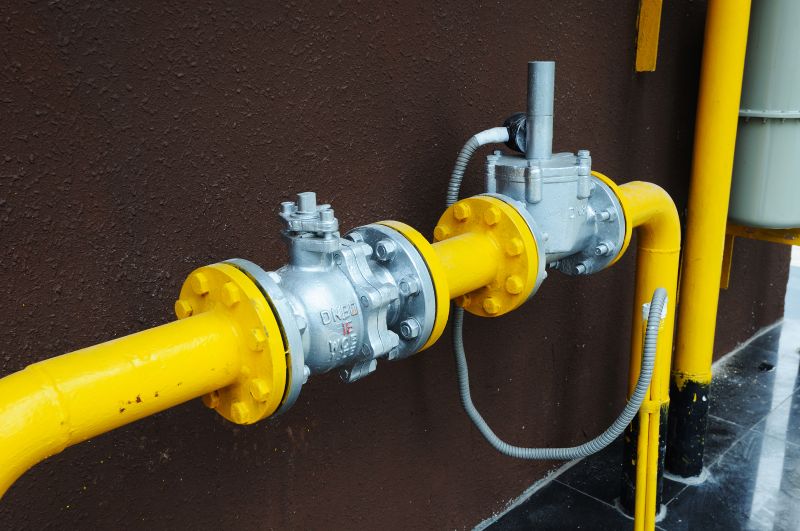
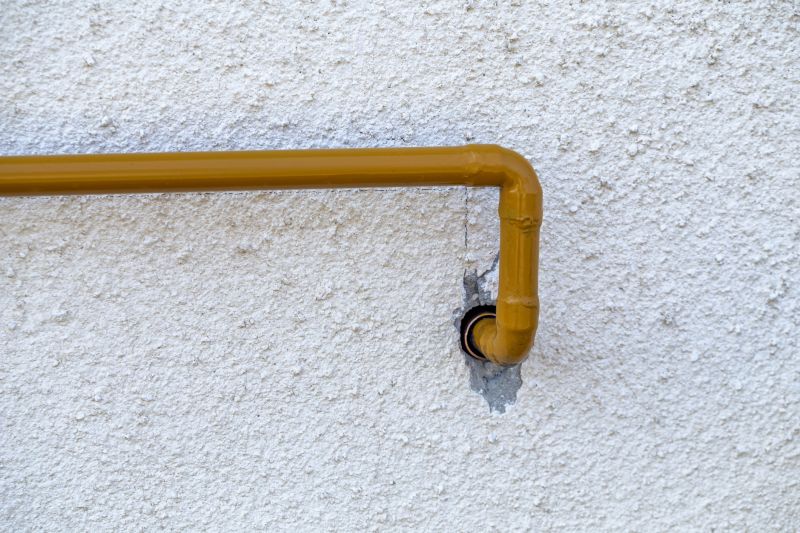
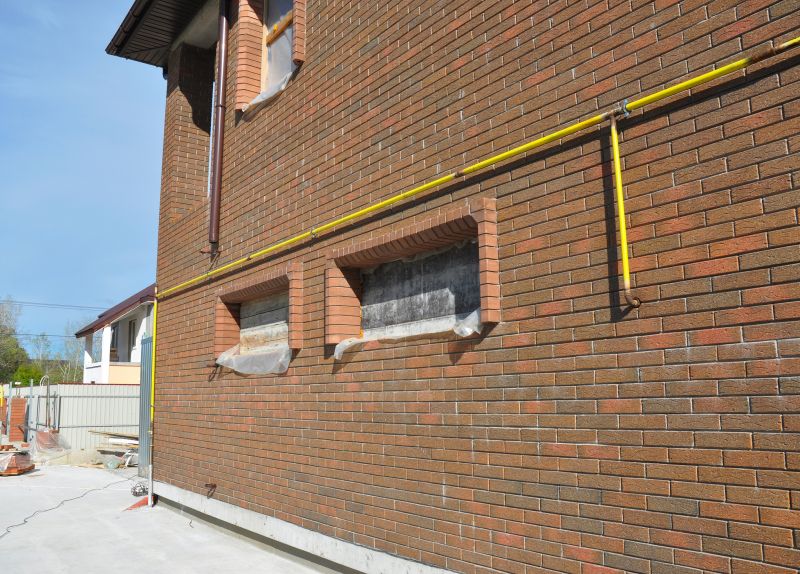
Gas line installation services involve setting up the piping system that supplies natural gas or propane to appliances within a property. This process includes planning the most efficient route for the gas lines, ensuring proper connections to appliances such as ranges, water heaters, fireplaces, or outdoor grills, and verifying that the entire system meets safety standards. Experienced contractors handle all aspects of the installation, from initial assessments to final inspections, making sure the system functions safely and reliably. Proper installation is essential for ensuring consistent gas flow and preventing leaks that could pose safety risks.
These services are often needed when upgrading an existing gas system, adding new appliances that require gas supply, or constructing a new property that requires a complete gas line setup. Gas line problems can lead to issues like inconsistent appliance performance, increased utility costs, or dangerous leaks. Installing a new gas line can help solve these problems by providing a safe, dedicated supply of gas that meets the specific needs of a household. Contractors also inspect existing lines for damage or corrosion, recommending repairs or replacements to maintain safety and efficiency.
Properties that typically utilize gas line installation services include single-family homes, multi-unit residential buildings, and commercial properties such as restaurants or retail spaces. Homes that rely on gas appliances for heating, cooking, or hot water often require professional installation or upgrades of their gas lines. Commercial properties with specialized equipment also benefit from precise and reliable gas line setups. Whether it’s a new construction project or a retrofit, local contractors can help ensure that gas lines are installed correctly to serve the specific requirements of each property.
Homeowners who notice problems like gas odors, inconsistent appliance operation, or the need to add new gas-powered devices should consider consulting with local service providers for gas line installation or repairs. Properly installed gas lines can enhance safety, improve appliance performance, and provide peace of mind. Contacting experienced contractors ensures that the work is completed according to safety standards and local codes, helping to keep the property safe and functional. For those in Denver, CO, and nearby areas, connecting with trusted local pros can make the process of installing or upgrading gas lines straightforward and reliable.
The overview below groups typical Gas Line Installation projects into broad ranges so you can see how smaller, mid-sized, and larger jobs often compare in Denver, CO.
In many markets, a large share of routine jobs stays in the lower and middle ranges, while only a smaller percentage of projects moves into the highest bands when the work is more complex or site conditions are harder than average.
Smaller Repairs - Many routine gas line repairs in Denver typically cost between $250 and $600. These projects usually involve fixing leaks or replacing small sections of pipe and often fall within the middle of this range. Fewer repairs push into the higher tiers, which are reserved for more extensive work.
Partial Line Installations - Installing or replacing a segment of a gas line generally ranges from $600 to $1,500. Local contractors often handle these projects, with costs varying based on pipe length and accessibility. Larger or more complex partial replacements can reach $2,500 or more.
Full Gas Line Replacement - Complete replacement of a home's gas line system typically costs between $3,000 and $7,000. Many homes fall into this middle range, but larger or more intricate systems in older buildings may exceed $8,000.
Complex or Custom Projects - Custom or extensive gas line installations, such as for new constructions or major renovations, can range from $8,000 to over $15,000. These projects are less common and tend to push into the highest cost brackets due to scope and complexity.
Actual totals will depend on details like access to the work area, the scope of the project, and the materials selected, so use these as general starting points rather than exact figures.
Natural Gas Line Installation - local contractors can handle the installation of natural gas lines for appliances, heating systems, and outdoor grills, requiring similar planning and piping skills.
Propane Line Setup - professionals can install propane lines for residential or commercial use, involving precise piping and safety considerations comparable to gas line work.
Gas Appliance Hookup - connecting appliances such as stoves, water heaters, or fireplaces involves similar connections and safety protocols as gas line installation.
Gas Leak Detection and Repair - identifying and fixing leaks in existing gas lines requires similar knowledge of piping systems and safety measures used in new installations.
Indoor Piping for Heating Systems - installing or upgrading piping for boilers and radiant heating systems shares planning and piping skills with gas line services.
Outdoor Gas Line Extensions - extending existing gas lines to new outdoor features like fire pits or lighting involves similar trenching and piping techniques as gas line installation projects.
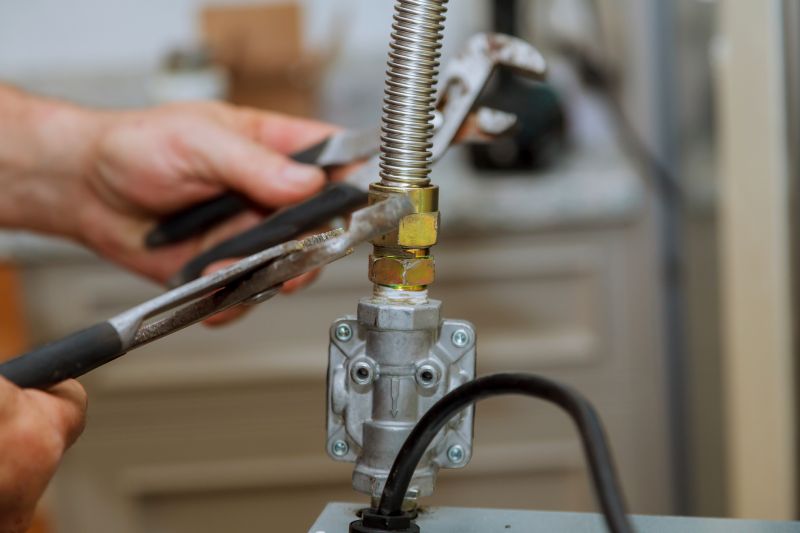
When selecting a contractor for gas line installation, it’s important to consider their experience with similar projects in Denver and surrounding areas. Homeowners should look for service providers who have a proven track record of handling gas line work comparable to their specific needs. Asking for references or examples of past projects can help verify that the contractor understands the requirements and complexities involved, ensuring confidence in their ability to deliver quality results.
Clear, written expectations are essential when comparing local contractors. Homeowners should seek detailed proposals that outline the scope of work, materials to be used, and the steps involved in the installation process. Having this information in writing helps prevent misunderstandings and provides a basis for evaluating each service provider’s professionalism and transparency. It’s also beneficial to confirm that the contractor’s approach aligns with safety standards and local codes, even if specific licensing or certification details are not the focus.
Effective communication plays a key role in a successful project. Homeowners should prioritize service providers who are responsive, willing to answer questions, and able to explain their process clearly. Good communication ensures that expectations are aligned from the start and that any concerns can be addressed promptly throughout the project. Remember, this site introduces homeowners to trusted local options who can handle the work, but the actual installation will be performed by a qualified contractor selected through careful comparison.
Property owners in Denver, CO use Gas Line Installation services for practical projects around their homes and businesses. This guide focuses on everyday jobs and straightforward project options.
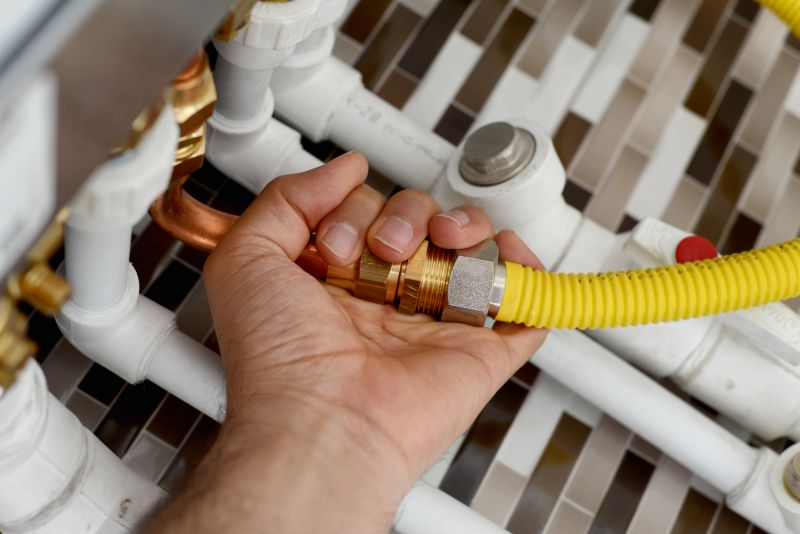
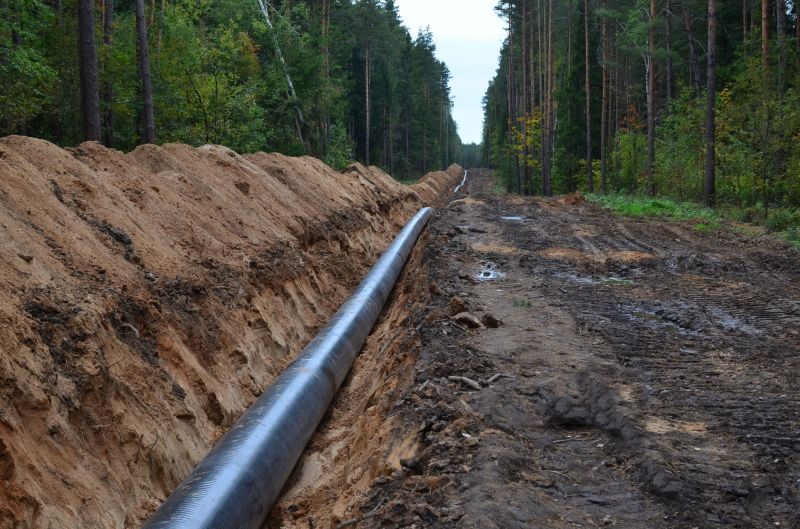
Gas line installation services are commonly sought after by property owners in Denver, CO when planning to add new appliances such as fireplaces, outdoor grills, or generators that require a reliable gas supply. Additionally, homeowners may need updates or repairs to existing gas lines to ensure safety and proper functioning, especially after remodeling projects or if there are signs of leaks or corrosion. Commercial property owners might look for local contractors to install or upgrade gas lines for restaurants, cafes, or other businesses that rely on gas-powered equipment, helping to maintain smooth operations.
In many cases, property owners in Denver consider gas line services when experiencing issues with their current setup, such as inconsistent gas flow or odors indicating leaks. Others may want to expand their gas infrastructure to support new features or appliances. Local contractors can assist with both installation and maintenance, providing solutions that meet the specific needs of properties in the area. Connecting with experienced service providers can help ensure the work is handled safely and effectively, whether for residential or commercial projects.
What is involved in gas line installation? Gas line installation typically includes planning the layout, obtaining necessary permits, and connecting the gas supply to appliances or fixtures with appropriate materials and techniques.
Are there different types of gas lines used in installations? Yes, common types include steel, copper, and flexible stainless steel tubing, each suited for specific applications and building codes.
How do I know if my current gas lines need to be replaced? Signs such as leaks, corrosion, or outdated materials can indicate the need for replacement; a professional inspection can provide a definitive assessment.
What safety considerations are important for gas line installation? Ensuring proper installation, leak testing, and adherence to local codes are essential safety measures when installing or modifying gas lines.
How can I find qualified local contractors for gas line installation? Using a lead generation service can help connect with experienced service providers in your area who specialize in gas line work.
Gas line installation for home upgrades - property owners can add or replace gas lines to support new appliances or fixtures in their kitchens, fireplaces, or outdoor grills.
Installing gas lines for outdoor living spaces - homeowners can set up gas lines to fuel outdoor fire pits, patio heaters, or built-in grills for year-round comfort.
Adding gas lines to existing appliances - property owners may want to connect existing appliances like water heaters or dryers to a reliable gas supply for efficiency.
Planning for future renovations or expansions - property owners can work with local contractors to ensure gas lines are properly installed for upcoming remodeling projects.
If you are thinking about Gas Line Installation for a property in Denver, CO, this guide is meant to help you understand the work, the typical project types, and how different options might fit your plans.
When you are ready, you can use the quote form on this page to share a few details about your project. From there, local pros can review the basics and respond with options that match what you have in mind.