Get Gas Line Rerouting in Denver, CO
Gas line rerouting services help Denver property owners safely relocate gas lines for renovations, repairs, or new construction projects, handled by experienced local contractors.
Property owners in Denver, CO, considering renovations, new construction, or utility upgrades may find gas line rerouting to be a practical step in their planning process. Moving or adjusting gas lines can help improve safety, accommodate new layouts, or ensure compliance with updated building codes. Exploring options for gas line rerouting involves comparing local contractors who specialize in this work, allowing property owners to identify experienced professionals suited to their specific project needs.
By reviewing available local service providers, property owners can better understand the scope of gas line rerouting services in Denver and nearby areas. This comparison helps ensure that the project aligns with local standards and property requirements. Continuing to explore these options can provide clarity and confidence as planning progresses, guiding property owners toward the right professionals to handle their gas line rerouting work.
- Gas Line Rerouting - needed when existing gas lines run through areas undergoing renovations or expansions in neighborhoods around Denver, CO.
- Gas Line Rerouting - required when new structures or additions necessitate moving gas lines away from existing pathways for safety or code compliance.
- Gas Line Rerouting - essential when gas lines interfere with landscaping or outdoor projects in residential communities near Denver’s suburbs.
- Gas Line Rerouting - necessary if underground gas lines need to be relocated due to utility upgrades or city infrastructure improvements.
- Gas Line Rerouting - requested when older gas lines are being replaced or upgraded to meet current safety standards in local developments.
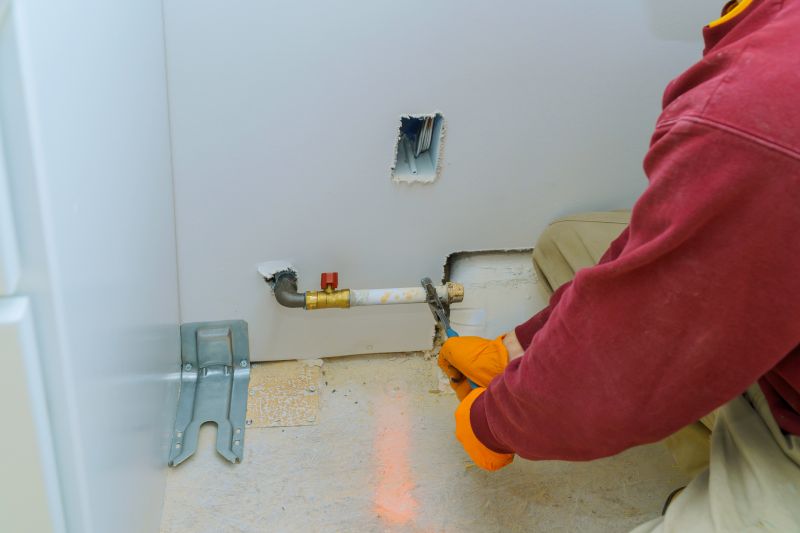
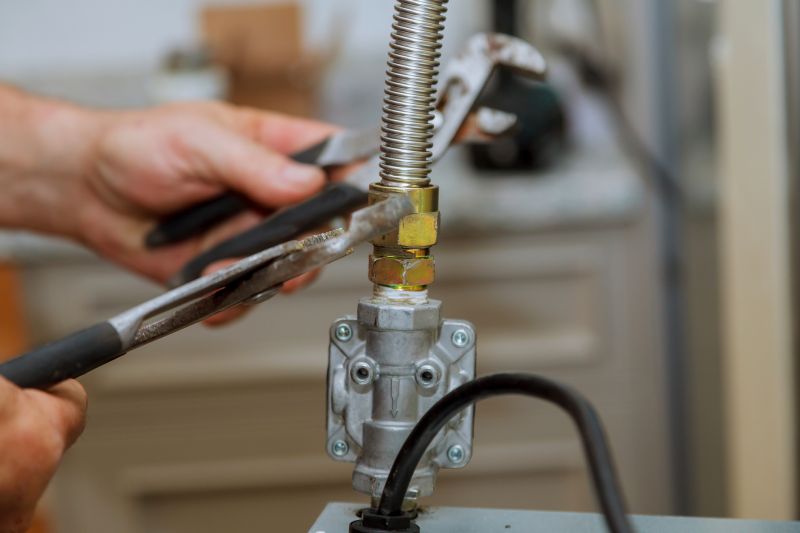
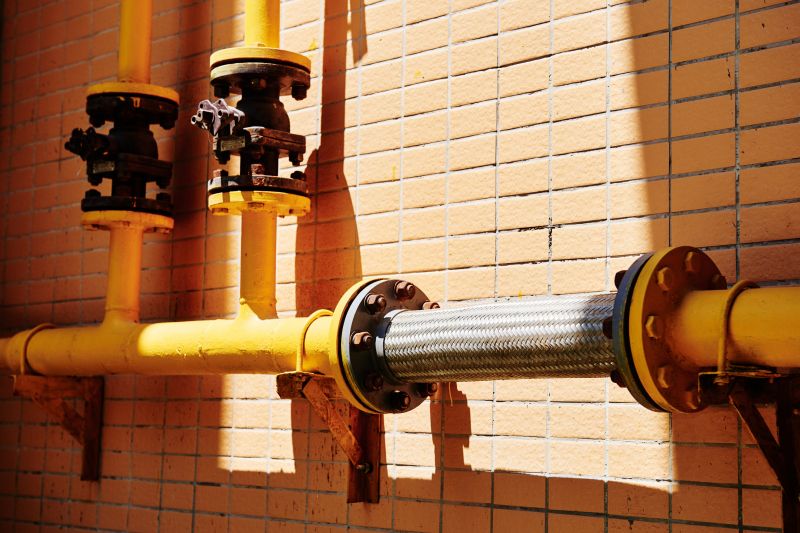
Gas line rerouting services involve adjusting or relocating existing natural gas lines to accommodate property renovations, expansions, or new construction projects. This process typically includes carefully disconnecting the current gas lines, rerouting them along a different path, and reconnecting them safely to ensure continuous and reliable gas service. Skilled service providers use specialized tools and techniques to minimize disruption and ensure that the rerouted lines meet all necessary safety standards. Homeowners considering a remodel, adding a new addition, or upgrading appliances often need this type of work to ensure their gas system functions properly and safely.
This service helps resolve a variety of common problems related to gas line placement. For example, if a home’s existing gas line runs through an area where a new deck or garage is planned, rerouting can prevent future issues or hazards. It also addresses situations where old or damaged gas lines need to be replaced or moved away from foundation work or landscaping projects. Proper rerouting can prevent gas leaks, improve system efficiency, and ensure compliance with local building codes. Property owners who notice irregular gas pressure or suspect leaks may also need to have their lines inspected and rerouted by experienced contractors.
Gas line rerouting is often required for residential properties, including single-family homes, townhouses, and multi-unit complexes. These properties may need rerouting during major renovations, kitchen upgrades, or when installing new appliances like water heaters or fireplaces that require a different gas line configuration. Commercial properties, such as restaurants or industrial facilities, may also need rerouting services to accommodate new equipment or to upgrade outdated systems. Overall, any property where the existing gas line layout no longer suits the current or future needs can benefit from professional rerouting services to ensure safety and functionality.
When considering gas line rerouting, property owners should look for local service providers experienced in handling gas system modifications. These professionals can assess the property’s layout, identify potential issues, and determine the best course of action for rerouting the lines safely and efficiently. Whether dealing with a small residential project or a larger commercial upgrade, working with qualified local contractors ensures the work is performed correctly, reducing the risk of leaks or future problems. Contacting experienced service providers can help property owners find the right solutions for their specific needs and ensure the gas system continues to operate safely and reliably.
The overview below groups typical Gas Line Rerouting projects into broad ranges so you can see how smaller, mid-sized, and larger jobs often compare in Denver, CO.
In many markets, a large share of routine jobs stays in the lower and middle ranges, while only a smaller percentage of projects moves into the highest bands when the work is more complex or site conditions are harder than average.
Smaller Repairs - Typical costs for minor gas line rerouting jobs in Denver often range from $250 to $600. Many routine projects fall within this middle range, covering tasks like relocating a line for appliance installation. Larger or more complex repairs can sometimes reach $1,000 or more.
Moderate Projects - For medium-scale rerouting work, local service providers usually charge between $600 and $1,500. These projects might involve rerouting gas lines for kitchen renovations or basement remodels, with fewer jobs exceeding this range. More intricate jobs may push costs higher depending on the complexity.
Full Replacement - Complete gas line rerouting or replacement projects in Denver typically cost from $1,500 to $3,500. Larger, more involved projects, such as rerouting multiple lines for new construction, can reach $5,000+ in some cases. Many projects in this category tend to fall within the middle to upper end of this range.
Complex or Commercial Jobs - Extensive rerouting for commercial properties or highly complex installations can vary significantly, often exceeding $5,000. These projects are less common but may involve significant planning and labor, with costs depending heavily on the scope and site conditions.
Actual totals will depend on details like access to the work area, the scope of the project, and the materials selected, so use these as general starting points rather than exact figures.
Underground Utility Installation - local contractors often handle the installation and rerouting of underground utilities, including gas lines, requiring similar planning and excavation skills.
Plumbing and Gas Line Repairs - repair work on existing gas lines involves similar knowledge of piping systems, safety protocols, and precise planning as rerouting projects.
Foundation Excavation - excavation for foundation work shares techniques with gas line rerouting, including site assessment, trenching, and proper backfilling.
Drainage System Installation - installing or rerouting drainage pipes involves underground work and planning that closely aligns with gas line rerouting tasks.
Electrical Conduit Installation - routing electrical conduits underground requires excavation and planning skills comparable to those used in gas line rerouting projects.
Construction Site Preparation - preparing sites for new construction often involves rerouting existing underground utilities, including gas lines, requiring similar expertise and coordination.
When evaluating service providers for gas line rerouting projects, it’s important to consider their experience with similar types of work. Homeowners should seek out local contractors who have a proven track record of handling projects comparable in scope and complexity. This can help ensure that the professional understands the specific challenges that might arise in Denver-area homes and neighborhoods, leading to a smoother process and more reliable results.
Clear, written expectations are a crucial part of choosing the right service provider. Homeowners should look for local contractors who can provide detailed estimates and scope of work upfront. Having a transparent outline of what the project entails helps prevent misunderstandings and ensures everyone is aligned on the work to be performed. It’s also beneficial to request reputable references or reviews from previous clients to gauge the quality of work and professionalism.
Good communication is essential throughout the project, from initial contact to completion. Homeowners should prioritize local service providers who are responsive, transparent, and willing to answer questions clearly. This helps build trust and allows for better coordination, reducing the likelihood of surprises or miscommunications. Remember, this site introduces homeowners to local pros who can handle gas line rerouting, but it does not perform the work itself; selecting a professional with these qualities can lead to a more successful project outcome.
Property owners in Denver, CO use Gas Line Rerouting services for practical projects around their homes and businesses. This guide focuses on everyday jobs and straightforward project options.
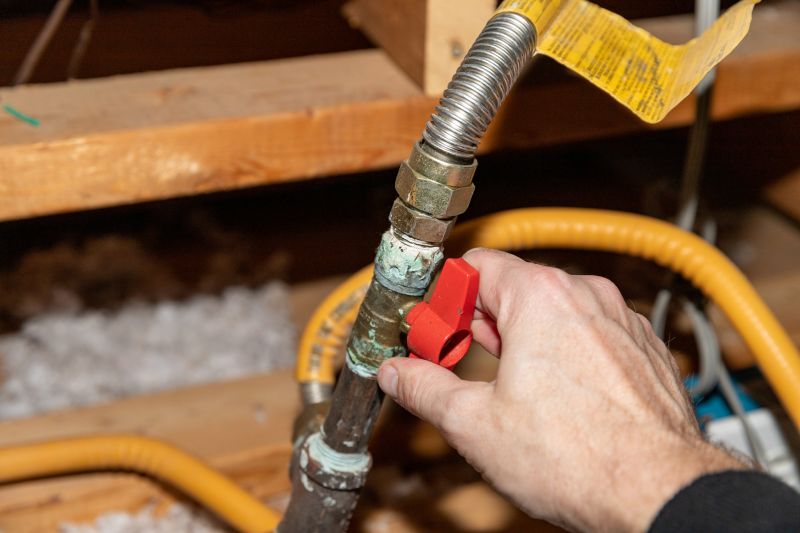
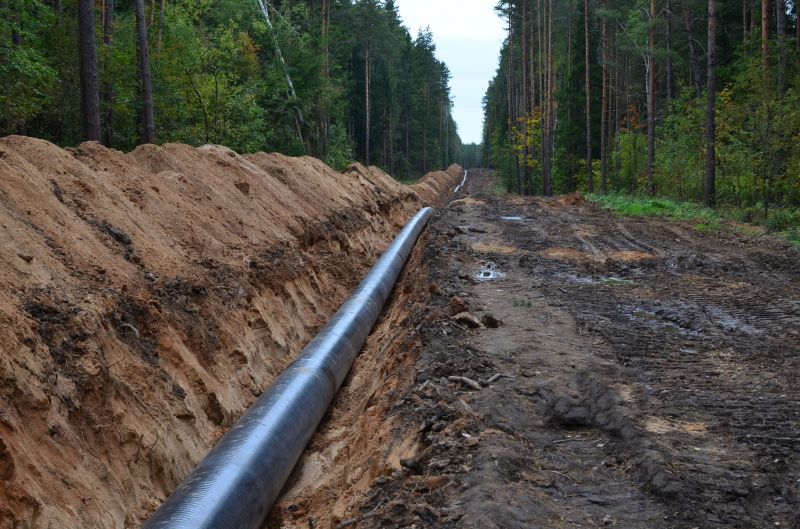
Gas line rerouting services are often needed when property owners in Denver, CO are remodeling or expanding their homes. For example, adding a new kitchen, finishing a basement, or building an addition may require moving existing gas lines to ensure safety and proper function. In some cases, older properties with outdated or damaged gas piping might need rerouting to meet current standards or to accommodate new appliances. Local contractors can assess the situation and handle the rerouting to help property owners avoid disruptions and ensure their gas systems operate safely and efficiently.
Property owners might also seek gas line rerouting if they are experiencing issues like leaks, corrosion, or frequent outages. These problems can be caused by shifting soil, ground movement, or aging infrastructure, especially in areas prone to seismic activity or frequent temperature fluctuations. Whether upgrading gas lines to support new heating systems or relocating them to improve property layout, local service providers can help manage these projects. Connecting with experienced contractors ensures that rerouting work is performed properly, supporting safe and reliable gas service for Denver homes and businesses.
What is gas line rerouting? Gas line rerouting involves adjusting the path of existing gas lines to accommodate new construction, renovations, or layout changes in a property.
Why might someone need gas line rerouting services? Property owners may require rerouting to improve safety, meet new building codes, or facilitate the installation of new appliances or fixtures.
How do local contractors handle gas line rerouting projects? Experienced service providers assess the current gas line setup, plan a safe rerouting route, and perform the work according to local standards and regulations.
Are gas line rerouting services suitable for both residential and commercial properties? Yes, local contractors typically offer rerouting services for a variety of property types, including homes and commercial buildings.
What should be considered before scheduling gas line rerouting? It’s important to evaluate the current gas system, identify the new routing needs, and ensure that a qualified professional can perform the work safely and effectively.
Gas Line Rerouting for Kitchen Remodels - When updating a kitchen, local contractors can reroute gas lines to accommodate new appliances or layouts.
Adding Outdoor Gas Features - Property owners planning outdoor kitchens or fire pits can have gas lines rerouted to new locations for convenience.
Garage or Basement Conversions - Converting a garage or basement into a living space may require rerouting gas lines to ensure safety and compliance.
Installing New Gas Appliances - Upgrading or adding gas-powered appliances like water heaters or dryers often involves rerouting existing gas lines for proper connection.
If you are thinking about Gas Line Rerouting for a property in Denver, CO, this guide is meant to help you understand the work, the typical project types, and how different options might fit your plans.
When you are ready, you can use the quote form on this page to share a few details about your project. From there, local pros can review the basics and respond with options that match what you have in mind.